
Views: 0 Author: Site Editor Publish Time: 2026-02-27 Origin: Site


Selecting the right pump control system is crucial for optimizing performance, efficiency, and longevity of your pumping equipment. Whether you're managing a submersible well pump, agricultural irrigation system, or industrial application, understanding the different types of pump controllers available can help you make an informed decision.
A pump controller is an electronic device that manages the operation of a pump by monitoring various parameters and adjusting performance accordingly. These sophisticated systems protect your equipment from damage while ensuring consistent water delivery and energy efficiency.
Modern pump controllers have evolved far beyond simple on/off switches. They now incorporate advanced features like pressure sensing, flow monitoring, and motor protection—all designed to extend equipment life and reduce operational costs.
Pressure controllers are among the most common types for submersible well pump applications. These systems maintain consistent water pressure by automatically starting and stopping the pump based on preset pressure thresholds.
When water demand increases and pressure drops, the controller activates the pump. Once the desired pressure is restored, it switches the pump off. This continuous monitoring prevents both low-pressure issues and excessive cycling that can damage the motor.
Advanced pressure control systems include features like soft-start technology, which gradually ramps up motor speed to reduce electrical surge and mechanical stress on the pump components.
Float switches offer a straightforward solution for managing water levels in tanks, sumps, and wells. As the water level rises or falls, a buoyant float triggers the pump to turn on or off.
These controllers are particularly popular for sewage pumps and drainage applications where maintaining specific water levels is critical. They're reliable, cost-effective, and require minimal maintenance—making them ideal for residential and light commercial use.
VFD controllers represent the cutting edge of pump control technology. These systems adjust motor speed in real-time based on demand, rather than simply cycling the pump on and off.
By varying the motor frequency, VFDs maintain constant pressure while significantly reducing energy consumption. They're especially valuable for submersible borehole pump applications where water demand fluctuates throughout the day.
The initial investment in a VFD controller is higher, but the energy savings and extended equipment life typically deliver excellent return on investment for commercial and agricultural operations.
Timer controllers operate pumps according to predetermined schedules. While less sophisticated than pressure or flow-based systems, they work well for applications with predictable water needs.
Irrigation systems often use time-based controls, running pumps during specific hours to water crops or landscapes. These controllers are simple to program and maintain, though they lack the adaptability of more advanced systems.
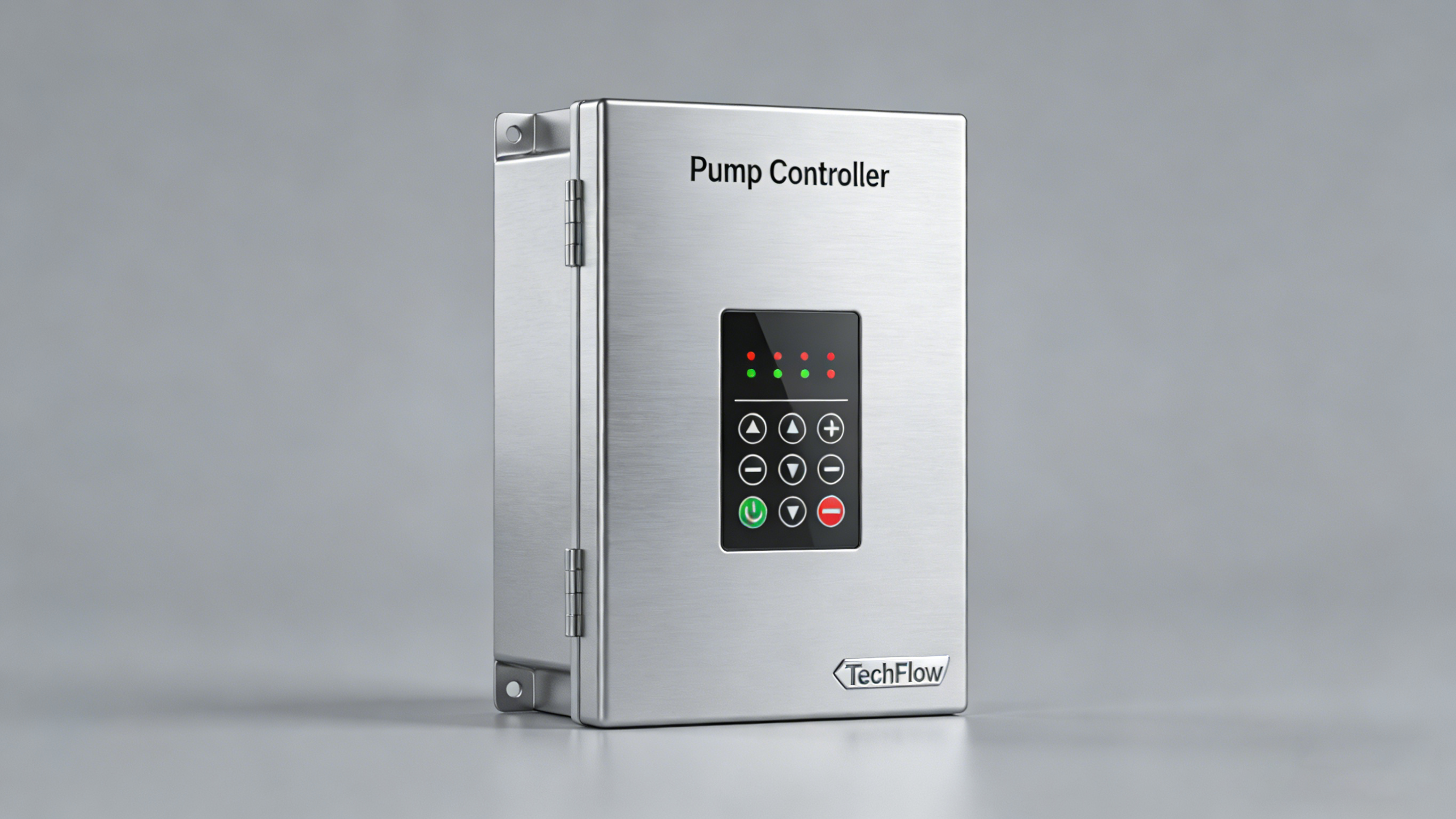
Today's stainless steel pump controllers offer robust protection against harsh environments while delivering sophisticated performance features:
Motor Protection: Built-in safeguards monitor current draw, voltage, and temperature to prevent motor damage from overload, dry running, or phase loss.
Intelligent Monitoring: Real-time tracking of operating parameters helps identify potential issues before they cause failures.
User-Friendly Interfaces: Digital displays and intuitive controls make programming and monitoring straightforward, even for non-technical users.
Weatherproof Construction: Stainless steel enclosures withstand corrosive environments, moisture, and temperature extremes—essential for outdoor installations.
Selecting an appropriate pump controller depends on several factors:
Application Type: Submersible well pumps serving residential water systems have different requirements than agricultural irrigation or industrial process pumps.
Power Requirements: Ensure the controller matches your pump's voltage and horsepower specifications. Undersized controllers can fail prematurely, while oversized units waste resources.
Environmental Conditions: Corrosive, wet, or extreme-temperature environments demand robust protection. Stainless steel pump controllers excel in challenging conditions.
Budget and Features: Balance upfront costs against long-term operational savings. A basic pressure controller might suit simple residential applications, while commercial operations often benefit from VFD technology.
Proper installation and maintenance maximize controller performance. Mount units in accessible locations protected from direct weather exposure. Ensure adequate ventilation to prevent overheating, and regularly inspect connections for corrosion or looseness.
Many modern controllers include diagnostic capabilities that alert users to potential problems. Pay attention to error codes and unusual behavior—early intervention prevents costly repairs.
Understanding pump control options empowers you to select systems that deliver reliable performance while minimizing energy costs and maintenance requirements. Whether you need a straightforward float switch for a sewage pump or a sophisticated VFD for a submersible borehole pump, the right controller protects your investment and ensures consistent operation.
For specialized applications or technical guidance, consulting with experienced pump manufacturers can help you identify the optimal control solution. Companies like Ruirong Pump offer comprehensive product lines including advanced controllers designed specifically for submersible pump applications.
Taking time to understand your requirements and available technologies ensures you'll select a pump control system that serves your needs reliably for years to come.


