
Views: 0 Author: Site Editor Publish Time: 2026-02-26 Origin: Site


A malfunctioning submersible water pump motor can disrupt water supply for agricultural irrigation, residential wells, or industrial operations. Understanding how to diagnose and repair common issues can save you time and money while extending the life of your equipment.
This guide walks you through the repair process for submersible pump motors, covering everything from initial diagnostics to reassembly. Whether you're dealing with a 4-inch residential pump or an 8-inch industrial model, these principles apply across most submersible motor systems.
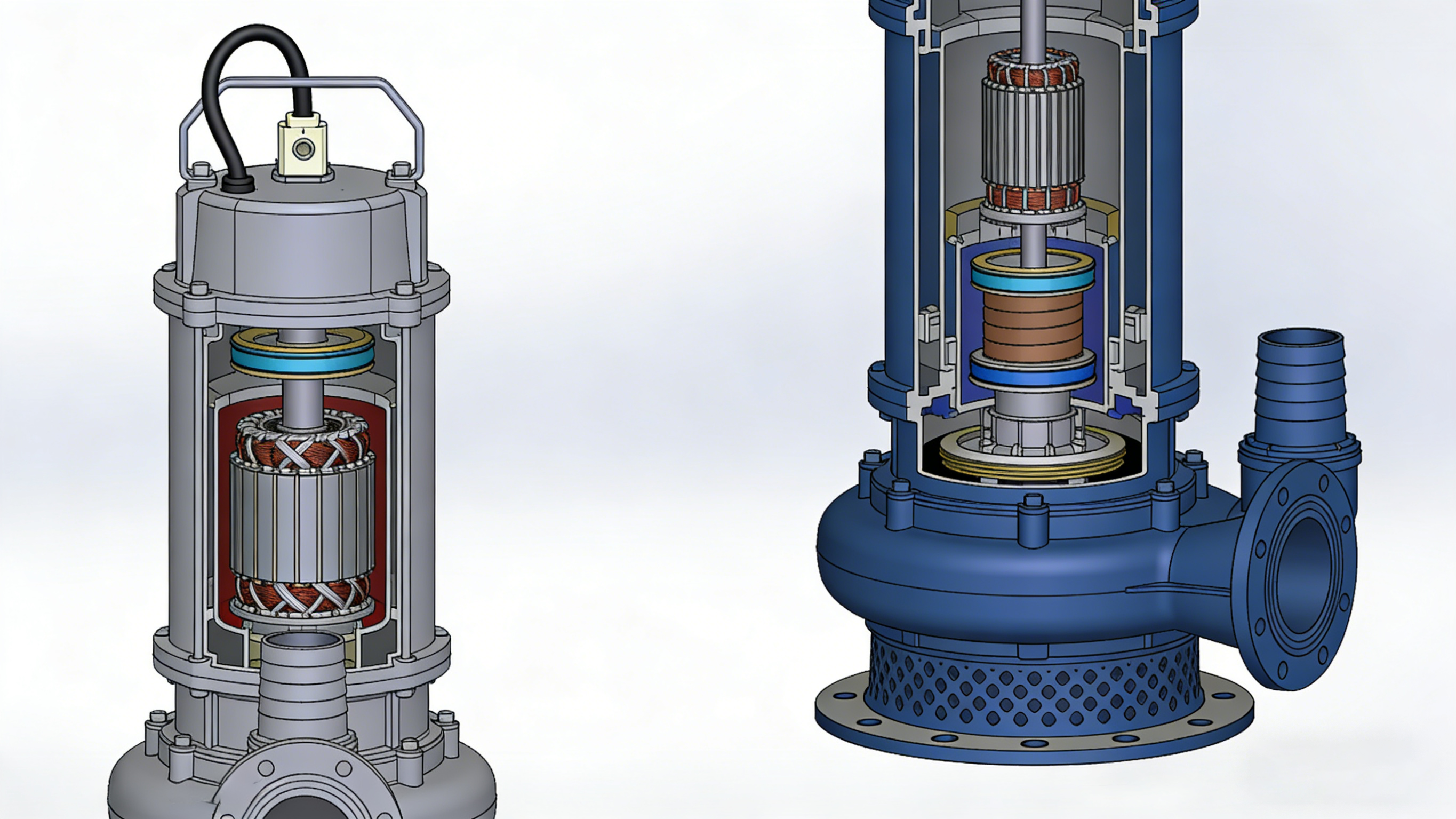
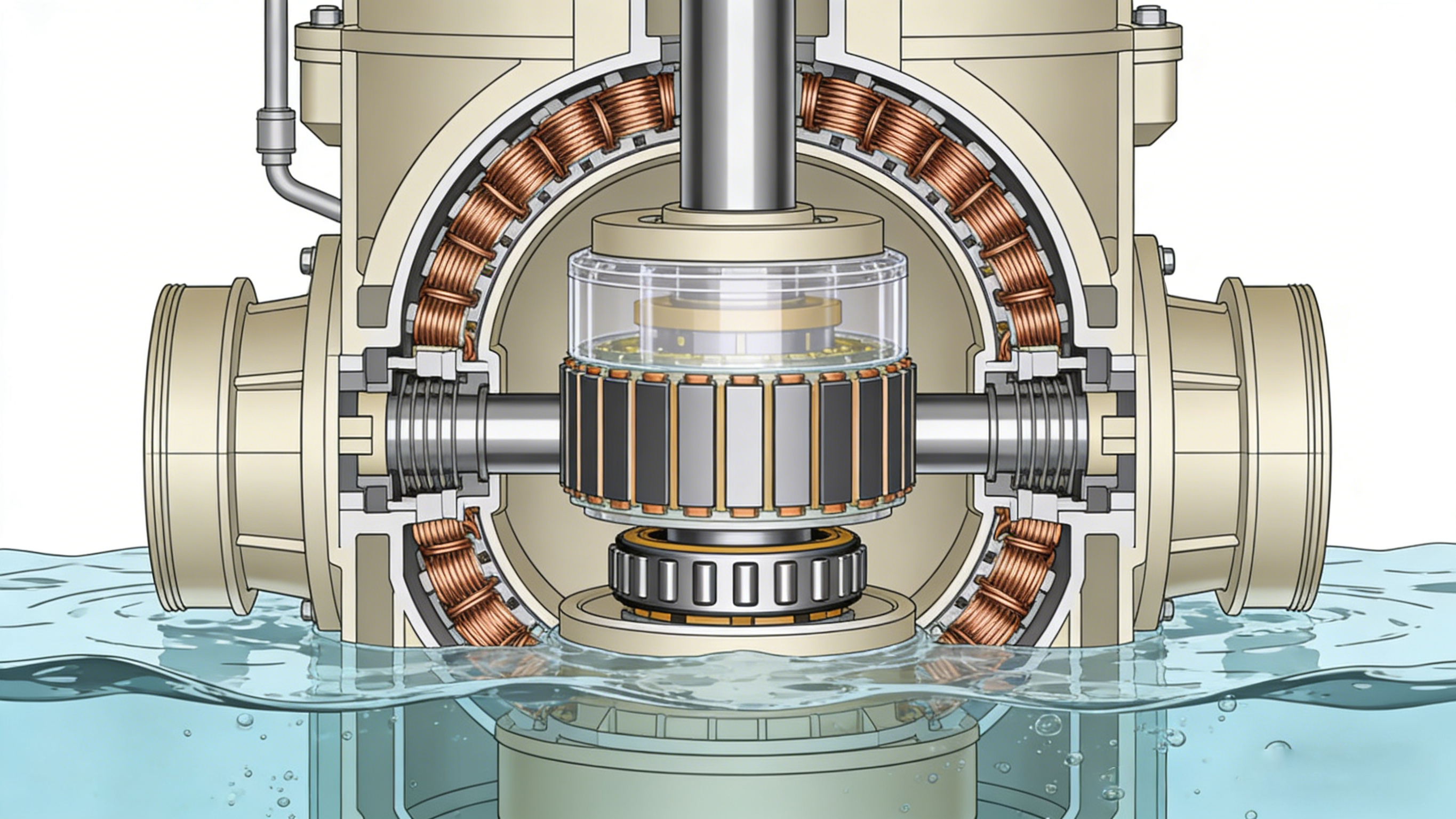
Before attempting any repairs, it's essential to understand how your submersible motor works. These motors operate underwater, using either water cooling or oil-filled encapsulation to dissipate heat. The motor connects directly to the pump assembly and sits submerged in the well or water source.
Most submersible motors feature a sealed housing that protects internal components from water infiltration. When this seal fails or internal components wear out, the motor requires repair or replacement.
Recognizing the symptoms of motor failure helps you pinpoint the issue before disassembly:
Motor won't start: This often indicates electrical problems, such as damaged wiring, tripped breakers, or a faulty capacitor.
Intermittent operation: Motors that start and stop unpredictably may have overheating issues, damaged bearings, or loose electrical connections.
Reduced water flow: When the pump runs but delivers less water than usual, the impeller may be damaged, or internal seals could be failing.
Strange noises: Grinding, rattling, or humming sounds typically signal worn bearings, damaged impellers, or debris lodged in the pump assembly.
Submersible motor repair involves electrical components and heavy equipment. Take these safety measures seriously:
Disconnect power completely at the breaker box before touching any electrical components
Use a multimeter to verify zero voltage at the motor terminals
Never work alone when pulling motors from deep wells
Wear appropriate personal protective equipment, including gloves and safety glasses
Ensure proper ventilation if working with oil-filled motors
1
Gather these items before beginning your repair:
Multimeter for electrical testing
Wrench set (both metric and standard)
Screwdrivers (flathead and Phillips)
Bearing puller
Seal replacement kit specific to your motor model
Insulation resistance tester (megger)
Clean rags and degreaser
Replacement parts as needed (bearings, seals, capacitor)
1
The most physically demanding part of motor repair is extraction. For shallow wells (less than 100 feet), you may manage with a tripod and rope. Deeper installations require specialized pulling equipment.
Disconnect the power cable and secure it to prevent it from falling into the well. Slowly raise the motor and pump assembly, being careful not to bang it against the well casing. Once at the surface, lay the unit on a clean workspace.
Before disassembling anything, run electrical tests to confirm the problem location:
Check the power cable for cuts, abrasions, or burned insulation. Damaged cables are a common failure point.
Test motor windings with a multimeter. Set it to measure resistance (ohms) and check between each motor terminal and ground. Infinite resistance indicates intact insulation; low readings suggest winding failure.
Inspect the capacitor if your motor uses one. A bulging or leaking capacitor needs immediate replacement.
Examine external seals for visible cracks or deterioration. Water intrusion often begins at worn seal points.
Mark the orientation of all components before removal to ensure correct reassembly. Take photos at each stage for reference.
Remove the motor housing bolts in a star pattern to prevent warping. Carefully separate the motor housing from the pump section, watching for any trapped water or oil (depending on your motor type).
Extract the rotor assembly slowly, supporting its weight to prevent damage. Inspect the stator windings for discoloration, which indicates overheating, or moisture, which suggests seal failure.
Examine each component systematically:
Bearings: Spin them by hand. They should rotate smoothly without grinding or catching. Replace any that feel rough or have visible wear.
Seals and O-rings: These wear over time and are common failure points. Replace all seals during motor repair, even if they appear intact.
Impeller: Check for cracks, chips, or excessive wear. Damaged impellers reduce efficiency and should be replaced.
Shaft: Look for scoring, pitting, or bending. Minor imperfections can be smoothed with fine emery cloth, but severe damage requires shaft replacement.
Windings: If windings show burn marks or test poorly with your megger, the motor needs professional rewinding or replacement.
Use a degreaser and clean rags to remove all dirt, mineral deposits, and old lubricant. Pay special attention to seal surfaces, which must be perfectly clean for new seals to function properly.
Inspect threaded connections for corrosion or damage. Clean threads with a wire brush and apply anti-seize compound during reassembly.
Install new bearings using a bearing press or appropriate driver tool. Forcing bearings in crooked causes premature failure.
Apply a thin layer of lubricant to new seals before installation. Press them into place carefully, ensuring they seat fully and evenly.
If replacing the capacitor, match the specifications exactly (voltage and microfarad rating). Incorrect capacitors cause starting problems or motor damage.
Reverse the disassembly process, referring to your photos for correct component orientation:
Install the rotor assembly carefully, ensuring proper bearing alignment
Replace all O-rings and gaskets with new parts
Torque housing bolts to manufacturer specifications in a star pattern
Reconnect electrical connections, ensuring secure and properly insulated joints
1
Before lowering the motor back into the well, conduct a bench test:
Fill a barrel or tank with clean water deep enough to submerge the motor completely. Connect power cables (maintaining all safety precautions) and run the motor for 10-15 minutes.
Monitor for:
Proper rotation direction
Adequate water flow
Unusual vibrations or noises
Leaks around seals
Proper amp draw (compare to motor nameplate specifications)
1
Lower the repaired motor back into the well slowly and steadily. Avoid scraping against the casing, which could damage the power cable or motor housing.
Once at the proper depth, secure the top assembly and reconnect the discharge piping. Restore power at the breaker and test the system under normal operating conditions.
Extend the life of your submersible motor with these practices:
Check voltage at the control box regularly; low voltage causes overheating
Monitor amp draw periodically to detect developing problems early
Ensure proper pump sizing for your well's capacity to prevent dry running
Install a cycle counter to track motor starts and identify excessive cycling
Consider adding a submersible motor protection device to guard against voltage imbalances and overloads
1
Some repairs exceed DIY capabilities. Seek professional help for:
Rewinding motor stators
Wells deeper than 200 feet (specialized equipment required)
Motors larger than 10 HP
Situations where local codes require licensed electricians
Repeated failures indicating systemic problems
Manufacturers like Ruirong Pump offer technical support and can connect you with qualified service providers familiar with their products.
When sourcing replacement components, prioritize quality over cost savings. Inferior parts lead to premature failure and repeated repairs.
For submersible motors and pumps from manufacturers like Ruirong, using OEM (original equipment manufacturer) parts ensures proper fit and performance. Their product line includes motors ranging from 4-inch residential models to heavy-duty 8-inch industrial units, all with readily available service parts.
Repairing a submersible water pump motor requires patience, proper tools, and attention to detail. While the process involves multiple steps, most homeowners and facility managers with basic mechanical skills can successfully complete repairs on smaller motors.
Regular maintenance and prompt attention to warning signs prevent many failures. When problems do occur, systematic diagnosis and careful repair work restore your water pumping system to reliable operation.
For complex repairs or when selecting a new submersible motor system, consult with experienced suppliers who can recommend the right equipment for your specific application. Quality components from established manufacturers provide years of dependable service when properly maintained.


