
Views: 0 Author: Site Editor Publish Time: 2026-01-13 Origin: Site


The sound of trickling water can transform a simple backyard into a tranquil sanctuary. However, the logistical nightmare of running high-voltage electrical cables through your garden often stops homeowners from installing fountains or ponds. This is where the solar powered water pump changes the game.
By harnessing the energy of the sun, you can power birdbaths, waterfalls, and ponds without increasing your electric bill or digging up your lawn to bury wires. But how exactly do you set one up? Is it complicated?
The process is surprisingly straightforward. This guide will answer your questions on how to choose, install, and maintain a solar water pump, ensuring your garden remains a relaxing oasis rather than a source of stress.
Before we look at the installation, it is helpful to understand why this technology is superior for many residential and agricultural applications.
Zero Operating Costs: Once you buy the equipment, the energy is free. The sun does all the work.
Safety: Solar pumps typically run on low-voltage DC power. This significantly reduces the risk of electrical shock compared to mains-powered pumps, making them safer for fish and families.
Flexibility: You are not tethered to an outdoor power outlet. You can place your water feature in the far corner of your property, as long as the solar panel can reach sunlight.
Eco-Friendly: Utilizing renewable energy reduces your carbon footprint.
1
A common mistake is buying a solar pump that is too weak to push water to the top of the fountain, or one so powerful it splashes water everywhere. To avoid this, you need to understand two key metrics: Flow Rate (how much water moves) and Head Height (how high the water needs to lift).
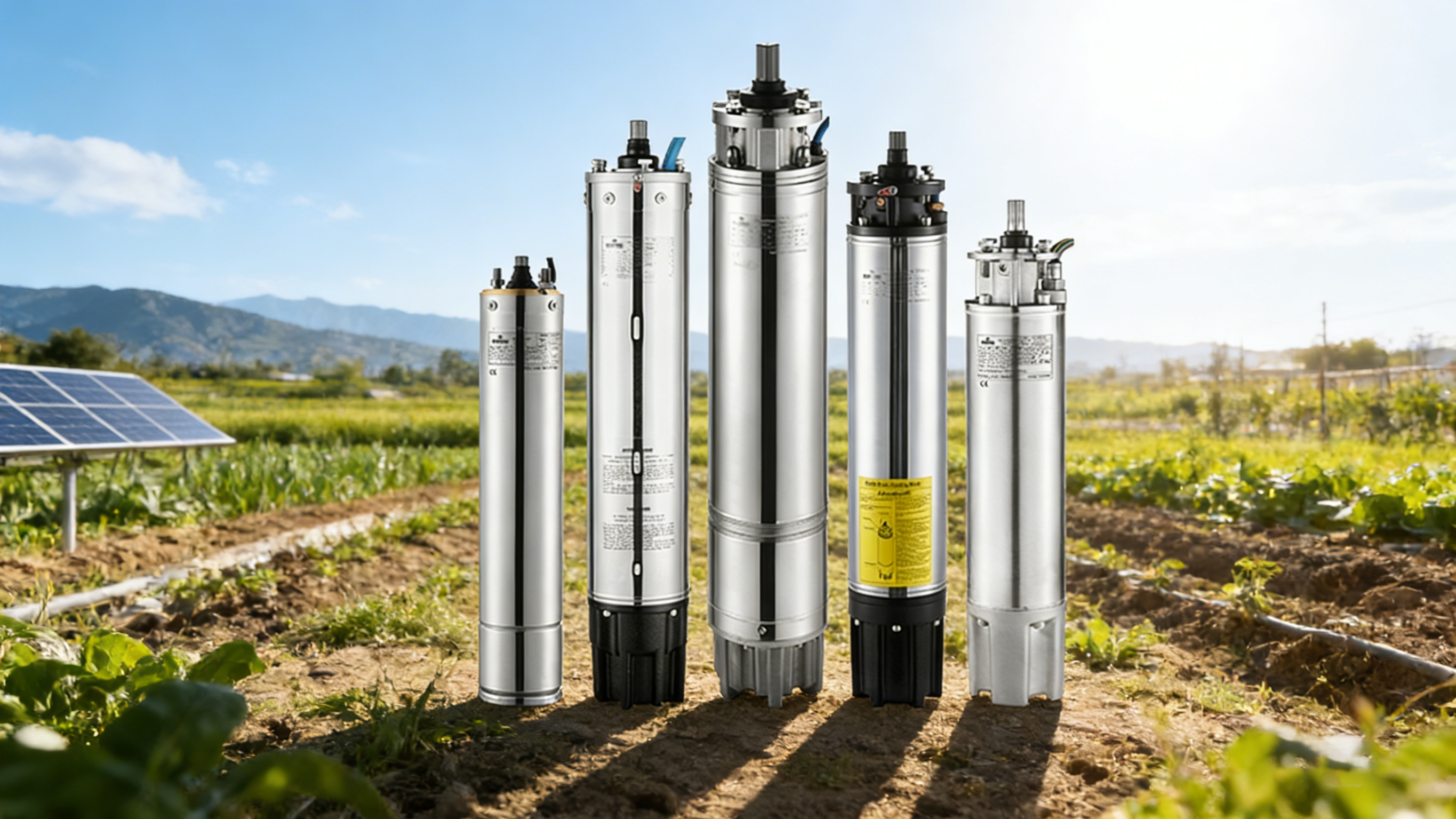
If you are looking for durability, consider manufacturers like Guangdong Ruirong Pump Industry Co., Ltd. Unlike cheap plastic alternatives that crack after a season, Ruirong specializes in stainless steel submersible pumps. Their DC solar submersible pumps are designed for longevity and high efficiency, making them ideal for everything from garden ponds to agricultural irrigation.
Refer to the table below to estimate your needs:
Water Feature Type | Estimated Flow Rate (GPH) | Required Head Height | Recommended Pump Style |
|---|---|---|---|
Small Birdbath | 50 - 100 GPH | 1 - 2 feet | Small submersible DC pump |
Medium Garden Fountain | 150 - 300 GPH | 3 - 5 feet | Medium submersible with flow control |
Large Koi Pond | 500 - 1000+ GPH | 5 - 10 feet | Heavy-duty stainless steel pump |
Waterfall / Stream | 1000+ GPH | 10+ feet | High-power solar water pump system |
Attaching your new pump to a water feature is usually a tool-free process. Follow these steps to get your water flowing.
Locate the solar panel included in your kit. Most kits come with a ground stake or a mounting bracket. Find a spot in your garden that receives direct, unobstructed sunlight for the majority of the day. Shadows from trees or fences will significantly reduce performance. Do not permanently mount the panel yet; just position it to ensure the cable reaches the water feature.
Take your submersible pump and attach the appropriate nozzle or tubing. If you are using a pre-made fountain, you will likely need to connect a clear vinyl tube from the pump's outlet to the fountain's inlet.
Tip: If the tubing is difficult to fit over the pump outlet, soak the end of the tube in hot water for a few seconds to soften the plastic.
Submerge the pump completely in the basin of your water feature. It must be underwater to operate; running it dry can damage the motor.
Stability: If the pump is light and floats, use suction cups (usually included) to stick it to the bottom, or weigh it down with a smooth stone.
Elevation: If your pond has a muddy bottom, place the pump on a brick to prevent it from sucking up sludge and clogging.
Run the waterproof cable from the submerged pump out of the water feature and over to your solar panel. Connect the cable to the panel. Ensure the connection is tight and waterproof.
Once connected, step back and let the sun hit the panel. The water should start flowing almost immediately.
Flow Control: If the water is shooting too high, adjust the flow dial on the pump (if equipped) or change the nozzle head.
Panel Angle: Tilt the solar panel toward the south (in the Northern Hemisphere) to maximize sun exposure.
A solar water pump is generally low maintenance, but "low" doesn't mean "zero." To ensure your pump lasts for years, follow these simple guidelines.
The most common reason for a drop in performance is a dirty solar panel. Dust, pollen, bird droppings, and water spots can block sunlight. Wipe the panel surface with a damp cloth once a month to keep efficiency high.
Debris like leaves and algae can clog the pump intake. Every few weeks, pull the pump out of the water. Remove the front cover and the sponge filter. Rinse them thoroughly with a hose. If your pump allows, remove the magnetic impeller and wipe it down to remove any slime buildup.
If you live in an area where temperatures drop below freezing, you must remove the pump from the water feature during winter. Freezing water expands and can crack the pump housing. Clean the pump, dry it, and store it in a garage or shed until spring.
If you have set everything up but the water isn't flowing, ask yourself the following questions:
Is the panel in a shadow?
Even a small amount of shade covering a corner of the panel can shut down the system. Ensure the panel faces the sun directly.
Is the pump fully submerged?
If the water level drops due to evaporation, the pump may suck in air. Refill the basin.
Is the impeller blocked?
If the motor is humming but no water is moving, something is likely stuck inside. Disassemble the intake and clean it out.
Switching to a solar powered water pump is one of the easiest DIY projects you can undertake to improve your garden. It saves money, protects the environment, and allows you to place water features anywhere you please.
For those requiring robust solutions, particularly for larger installations or deep wells, Guangdong Ruirong Pump Industry Co., Ltd. offers industry-leading technology. With over 30 years of experience and a commitment to quality stainless steel manufacturing, their pumps provide the reliability needed for demanding tasks.
Whether you are installing a small birdbath or a large agricultural irrigation system, utilizing the power of the sun is a bright idea.


